
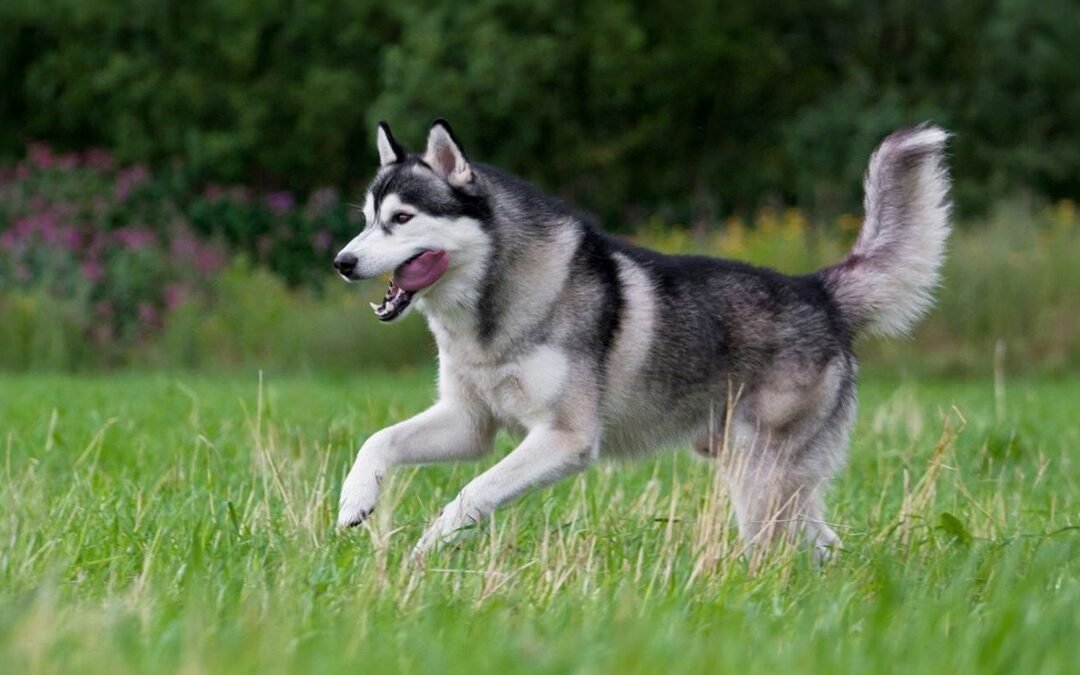
Siberian Huskies are energetic, intelligent, and active dogs that need good nutrition to stay healthy and strong. While a complete and balanced dog food should provide most of their daily nutritional needs, many Husky owners also like to give their pets occasional treats or small portions of fresh food.
Not every food that is healthy for people is safe for dogs. Some fruits, vegetables, meats, and other foods can be suitable for Huskies when prepared correctly and given in moderation. On the other hand, certain common foods can be harmful or even toxic to dogs.
In this guide, we will cover safe foods for Siberian Huskies, healthy treat options, foods to avoid, and simple tips for introducing new foods into your dog’s diet.
Can Siberian Huskies Eat Human Food?
Yes, some human foods can be safe for Siberian Huskies if they are plain, properly cooked, and given in small amounts. However, human food should not replace your Husky’s regular, balanced dog food. Dogs need specific nutrients, and feeding too much table food can lead to an unbalanced diet.
If you want to give your Husky human food, pick simple options without salt, spices, sauces, too much oil, or other harmful ingredients. It’s also important to introduce one new food at a time. This helps you spot if your dog has a digestive issue or doesn’t like a certain ingredient.
Safe Foods for Siberian Huskies
There are several foods that can be offered as occasional treats for many healthy Huskies.
1. Cooked Chicken
Plain cooked chicken can be a useful source of protein for dogs.
If you give chicken to your Siberian Husky, make sure it is:
- Fully cooked
- Plain
- Boneless
- Free from onions and garlic
- Free from spicy seasoning
- Not covered in sauces
Avoid giving your dog fried or heavily seasoned chicken.
Most importantly, never give cooked chicken bones. Cooked bones can become brittle and may splinter, creating a choking or injury risk.
2. Cooked Eggs
Plain cooked eggs can be a special treat for many dogs.
They offer protein and other good nutrients, but they should be given without any salt, butter, spices, or sauces.
A little bit is usually enough.
Eggs should be part of your dog’s regular meals, not a substitute for them.
3. Carrots
Carrots are a simple treat that many dogs enjoy.
You can offer small pieces of raw carrot or lightly cooked carrot. Cut larger pieces into an appropriate size for your dog, particularly if your Husky tends to eat quickly.
Carrots should still be given in moderation, because treats and additional foods contribute to your dog’s overall calorie intake.
4. Pumpkin
Plain pumpkin can be given to some dogs as an occasional food addition.
If you choose pumpkin, use plain cooked pumpkin without added sugar, salt, spices, or other ingredients.
Pumpkin is sometimes used as part of a dog’s diet during mild digestive upset, but persistent diarrhea, vomiting, or other digestive problems should not be treated at home for an extended period. Speak with a veterinarian if symptoms continue.
5. Apples
Small pieces of apple can be a refreshing occasional treat for a Siberian Husky.
Always remove the core and seeds before giving apple to your dog. The fruit should be cut into manageable pieces.
Do not give your Husky apple products containing added sugar, syrup, or artificial ingredients.
6. Blueberries
You can give your dog a small amount of blueberries as a special treat now and then. Since blueberries are small, it’s easier to control how much your dog eats. Make sure to wash the fresh blueberries before offering them. When introducing any new food, start with just a little and watch how your Husky reacts.
7. Green Beans
Plain green beans can be another suitable vegetable treat for some dogs.
Fresh or lightly cooked green beans are preferable to versions prepared with salt, butter, sauces, or seasoning.
Cut them into suitable pieces if necessary and keep the serving size small.
8. Sweet Potato
Plain cooked sweet potato can be offered in moderation.
Remove the skin if necessary and make sure the sweet potato is cooked and served without butter, sugar, salt, or spices.
Sweet potato should be an occasional addition rather than a replacement for your dog’s complete diet.
What Fruits Can Siberian Huskies Eat?
Some fruits can be given to Siberian Huskies in small portions.
Potential options include:
- Apples without seeds or core
- Blueberries
- Strawberries
- Bananas
- Seedless watermelon
Fruit should be treated as an occasional snack rather than a major part of a dog’s daily food.
Many fruits naturally contain sugar, so large quantities are unnecessary.
Always remove seeds, pits, stems, leaves, and other parts that may be unsafe before giving fruit to your Husky.
What Vegetables Can Huskies Eat?
Several plain vegetables can make occasional treats for dogs.
Some options include:
- Carrots
- Green beans
- Cucumber
- Pumpkin
- Peas
- Properly cooked sweet potato
Vegetables should be prepared without salt, spicy seasonings, sauces, butter, or excessive oil.
If your dog has never eaten a particular vegetable before, start with a small amount and see how their stomach responds.
Can Siberian Huskies Eat Meat?
Plain, properly cooked meat can be suitable for many Siberian Huskies.
Chicken, turkey, and lean beef are examples of meats that may be offered as occasional additions.
The meat should be cooked thoroughly and served without:
- Onion
- Garlic
- Spicy seasoning
- Heavy sauces
- Excessive fat
- Cooked bones
Some owners consider raw meat diets for their dogs. However, raw feeding can involve food-safety and nutritional risks. If you are considering a raw diet, discuss the plan with your veterinarian before making a major change.
Can Siberian Huskies Eat Fish?
Some cooked fish can be good for dogs.
If you feed your Husky fish, it should be fully cooked, plain, and without any bones.
Avoid giving fish that has spicy sauces, too much salt, garlic, onions, or a lot of oil.
Fish should be an extra treat, not a substitute for a complete and balanced diet, unless your dog is on a specially made diet plan.
Healthy Treats for Siberian Huskies
Treats can be useful for training and bonding with your dog, but they should be given thoughtfully.
Some options include:
- Small pieces of cooked chicken
- Plain cooked egg
- Carrot pieces
- A few blueberries
- Small pieces of apple without seeds
- Plain cooked pumpkin
- Appropriate commercial dog treats
Choose treats according to your Husky’s size, age, activity level, and overall diet.
If your dog is gaining weight, review both meals and treats. Even healthy foods can contribute unnecessary calories when given too frequently.
Foods Siberian Huskies Should Avoid
Understanding what Huskies can eat is just part of the story. It’s just as important to know which foods should never be given to them.
Chocolate
Chocolate is unsafe for dogs and should not be given to Siberian Huskies.
The risk level depends on the kind and quantity of chocolate your dog eats, as well as their size.Dark chocolate and items made with cocoa can be especially dangerous.Keep chocolate, cocoa powder, and any treats that contain chocolate out of your dog’s reach.
Grapes and Raisins
Grapes and raisins should be avoided because they can cause serious health problems in dogs.
Do not intentionally give your Husky grapes or raisins. If your dog eats them accidentally, contact a veterinarian promptly.
Onions and Garlic
Onions, garlic, and related ingredients can be harmful to dogs.
This means you should also be careful with human meals because these ingredients may be hidden inside sauces, gravies, curries, seasonings, and prepared foods.
A small piece of plain meat is very different from meat covered in onion and garlic seasoning.
Xylitol
Xylitol is a sweetener found in some sugar-free products.
It can be extremely dangerous to dogs, so keep sugar-free sweets, chewing gum, and other products containing xylitol away from your Husky.
Always check the ingredient label if you are unsure.
Alcohol
Alcohol should never be given to dogs.
Keep alcoholic drinks and foods containing alcohol away from your pet.
Cooked Bones
Cooked bones can break or splinter and may cause choking, mouth injuries, digestive tract injuries, or other serious problems.
Avoid giving cooked bones to your Siberian Husky.
Very Fatty Foods
Large amounts of fatty food are not a good choice for dogs.
Avoid regularly giving your Husky fried foods, greasy leftovers, fatty meat, butter, or other foods containing excessive fat.
Very Salty Foods
Dogs don’t require the high amounts of salt that are often in many human snacks and processed foods.
Avoid giving your Husky salty chips, highly seasoned treats, and very salty leftover foods.
Spicy Foods
Spicy foods are unnecessary for dogs and may cause digestive discomfort.
Your Husky does not need the spices and sauces commonly used in human meals.
Can Huskies Eat Dairy Products?
Some dogs can tolerate small amounts of certain dairy products, while others may experience digestive discomfort.
Because each dog is different, dairy products shouldn’t be considered a safe and healthy food to feed every day.
If you decide to give your Husky a small amount of a dairy product, avoid high-fat or heavily sweetened products and monitor your dog’s response.
If dairy repeatedly causes diarrhea, gas, vomiting, or discomfort, stop giving it and speak with your veterinarian.
Can Siberian Huskies Eat Leftovers?
It is better not to make human leftovers a regular part of your Husky’s diet.
Many family meals contain ingredients that dogs do not need, including:
- Salt
- Spices
- Onion
- Garlic
- Sauces
- Excessive oil
- High-fat ingredients
Instead of giving your dog leftovers directly from your plate, choose a small portion of a plain, dog-safe food when appropriate.
This also helps prevent your Husky from developing a habit of begging during family meals.
How Much Human Food Can a Husky Eat?
Your Husky’s main nutrition should come from a complete and balanced dog food that is appropriate for its life stage and nutritional needs.
The right amount of additional food depends on your dog’s:
- Age
- Weight
- Activity level
- Body condition
- Health
- Regular diet
Treats and extra foods should not gradually replace the main diet.
If you regularly add chicken, eggs, vegetables, fruit, or commercial treats to meals, remember that these foods also contribute calories.
How to Introduce New Foods to Your Husky
Introducing new foods slowly can make it easier to identify foods your dog does not tolerate well.
Start with a small portion of one new food.
Then observe your Husky for changes such as:
- Loose stool
- Vomiting
- Excessive gas
- Itching
- Skin irritation
- Loss of appetite
- Unusual behavior
Do not introduce several new foods at the same time. If your dog reacts badly, it becomes much harder to determine which food caused the problem.
If your Husky develops serious symptoms or you believe it has eaten a toxic food, contact a veterinarian immediately.
Should Human Food Replace Dog Food?
No. Human food should generally remain an occasional addition or treat.
A balanced dog food is designed to provide the nutrients a dog needs in suitable amounts.
For a Siberian Husky, the right regular diet should be selected according to factors such as age, activity level, body condition, and individual health needs.
BigPaw offers food options for different stages and activity levels, including Puppy Paw, adult dog food, and Big Paw High Energy. The company’s current product information describes its High Energy formula as being intended for active and working dogs.
When introducing a new commercial food, it is also sensible to transition gradually rather than suddenly changing the entire diet.
Siberian Husky Feeding Tips for Pakistani Dog Owners
Huskies living in Pakistan may need extra attention to hydration and daily routine, particularly during hot weather.
Keep fresh drinking water available throughout the day and provide your dog with a comfortable, well-ventilated place to rest.
During very hot weather, avoid strenuous exercise during the hottest hours.
Food should also be stored correctly. Keep dry dog food in a cool, dry place and protect it from excessive heat and moisture. BigPaw’s own guidance recommends storing dry food in a cool, dry location and protecting it from moisture.
Proper storage helps maintain the quality of your dog’s food after opening.
Signs That Your Husky May Not Be Tolerating a Food
Every Siberian Husky is an individual, so a food that suits one dog may not suit another.
Watch for repeated signs such as:
- Frequent diarrhea
- Repeated vomiting
- Excessive gas
- Persistent itching
- Red or irritated skin
- Changes in appetite
- Unusual tiredness
- Sudden weight changes
These signs can have many possible causes, so do not assume that food is always the problem.
If symptoms continue, speak with your veterinarian rather than repeatedly changing your dog’s diet.
Simple Safe Food List
For quick reference, here are some foods that can be suitable for many healthy Huskies when prepared properly and given in moderation:
Generally suitable options:
- Plain cooked chicken
- Plain cooked egg
- Carrots
- Pumpkin
- Green beans
- Apples without seeds and core
- Blueberries
- Strawberries
- Banana
- Seedless watermelon
- Plain cooked sweet potato
- Plain cooked rice
- Some properly cooked fish
Foods to avoid:
- Chocolate
- Grapes
- Raisins
- Onions
- Garlic
- Xylitol
- Alcohol
- Cooked bones
- Very fatty foods
- Heavily salted foods
- Spicy foods
This list is a general guide and does not replace veterinary advice for a Husky with a medical condition or special dietary requirement.
Frequently Asked Questions
Siberian Huskies Eat Safe Foods, Treats, and Safety Guidelines
Siberian Huskies require a complete and balanced diet to maintain their energy levels, health, and thick double coat. While high-quality commercial dog food should form the foundation of their daily meals, certain plain human foods can be offered as safe, occasional treats when prepared properly.
Can Siberian Huskies eat chicken?
Yes. Plain, fully cooked, boneless chicken can be given to many Huskies in moderation. Avoid chicken prepared with onions, garlic, spices, sauces, or cooked bones.
Can Huskies eat rice?
Plain cooked rice can be given in small portions to many dogs. However, it should not replace a complete and balanced dog food.
What fruits can Siberian Huskies eat?
Small portions of suitable fruits such as apples without seeds, blueberries, strawberries, bananas, and seedless watermelon may be given as occasional treats.
What foods are toxic to Siberian Huskies?
Chocolate, grapes, raisins, onions, garlic, xylitol, and alcohol are among the foods that should be kept away from dogs. Cooked bones and foods containing excessive fat, salt, or spices should also be avoided.
Can Huskies eat vegetables?
Yes. Plain vegetables such as carrots, green beans, pumpkin, cucumber, peas, and properly prepared sweet potato can be suitable as occasional treats for many dogs.
Can I give my Husky human food every day?
It is better to keep human food as an occasional addition rather than making it a major part of the daily diet. Your Husky’s main meals should provide complete and balanced nutrition.
Can Siberian Huskies eat eggs?
Plain, fully cooked eggs can be offered in moderation. Avoid adding salt, butter, spices, sauces, onions, or garlic.
What should I do if my Husky eats something dangerous?
If your Husky eats a potentially toxic food such as chocolate, grapes, raisins, xylitol, or another dangerous substance, contact a veterinarian or emergency veterinary service immediately. Do not wait for serious symptoms to appear.
Summary
Knowing what Siberian Huskies can eat helps owners make better decisions when choosing treats and occasional food additions.
Plain cooked chicken, eggs, certain vegetables, selected fruits, and other simple foods can be suitable for many healthy Huskies when served in moderation. However, foods such as chocolate, grapes, raisins, onions, garlic, xylitol, alcohol, and cooked bones should be kept away from dogs.
The most important point is that safe human food should complement your Husky’s regular diet rather than replace it.
Every Siberian Husky has different nutritional needs. Age, activity level, weight, health, and individual tolerance can all affect the right feeding routine.
When in doubt about a particular food or if your Husky has an allergy, digestive issue, or medical condition, consult your veterinarian before making significant dietary changes.
A balanced diet, fresh water, sensible treats, regular exercise, and responsible feeding habits can all help your Siberian Husky stay active, healthy, and happy.