German Shepherds are known for their loyalty, intelligence, and protective nature, making them excellent companions for families. However, owning this active and strong breed requires proper care and attention to its health. Like other large breeds, they may be prone to certain health issues as they grow older. Understanding these concerns can help owners make better decisions about daily care, exercise, and nutrition. Choosing suitable German Shepherd dog food and providing regular veterinary checkups can support their overall health and well-being.
How to Choose the Right Food for Your Dog
Choosing the right diet can sometimes feel overwhelming because so many dog food products are available. The best option depends on your pet’s age, activity level, health, and individual nutritional requirements.
Choose Food According to Life Stage
Puppies need carefully balanced nutrition to support their growing bones, muscles, and overall development. Adult dogs require food that helps maintain a healthy weight and energy level, while senior pets may benefit from diets suited to their changing needs. Always select a formula designed for your dog’s current life stage.
Consider Activity Level
Active dogs generally need more energy than pets that spend most of their time resting. Feeding portions should reflect your dog’s activity level, body condition, and individual needs. Avoid overfeeding, as excess weight can put additional pressure on the joints.
Look for Balanced Nutrition
Choose a complete and balanced formula that provides the nutrients required for your dog’s life stage. Protein, fats, vitamins, minerals, and other essential nutrients all play important roles in maintaining overall health.
Introduce New Food Gradually
Changing your dog’s diet too quickly may cause digestive discomfort. When switching brands or formulas, gradually mix the new food with the old food over several days. Monitor your pet for changes in appetite, stool quality, or digestion during the transition.
Monitor Your Dog’s Health
Pay attention to your pet’s weight, appetite, energy, coat condition, stool quality, and general behavior. Persistent changes may indicate an underlying health problem. Consult a veterinarian if symptoms continue or become more severe.
Common Health Problems in German Shepherds
Although not every dog develops a serious health condition, certain problems deserve particular attention. Learning about these concerns can help owners seek veterinary advice when necessary.
1. Hip and Elbow Dysplasia
Hip and elbow dysplasia are developmental joint conditions that can affect large breeds. They occur when the joints do not develop or fit together properly, potentially leading to discomfort, reduced mobility, and arthritis over time.
Hip Dysplasia
Hip dysplasia affects the hip joint, where the head of the thigh bone meets the hip socket. Improper joint development can cause instability and may eventually contribute to arthritis. Some dogs develop noticeable symptoms early, while others show signs as they age.
Excess body weight can increase stress on the joints and make mobility problems worse. Maintaining a healthy weight, providing appropriate exercise, and following veterinary advice can help manage joint stress.
Elbow Dysplasia
Elbow dysplasia refers to a group of developmental abnormalities affecting the elbow joint. It can cause stiffness, lameness, discomfort, and difficulty with everyday activities. Signs may become noticeable during puppyhood or as the dog grows.
If your pet shows persistent limping, struggles to stand, or seems uncomfortable during exercise, arrange a veterinary examination.
How Nutrition Can Help
Proper nutrition is particularly important during the growing stage. Feeding a complete and balanced large-breed puppy formula can support steady development. Avoid excessive calorie intake and unnecessary supplements, especially calcium, unless recommended by a veterinarian. Diet cannot guarantee the prevention of dysplasia, but healthy growth and weight management are important parts of responsible care.
2. Gastric Dilatation-Volvulus (Bloat)
Gastric dilatation-volvulus, commonly known as GDV or bloat, is a life-threatening condition in which the stomach fills with gas and may twist. It is a particular concern in large, deep-chested dogs.
Warning signs may include:
- A swollen or enlarged abdomen
- Repeated attempts to vomit without producing anything
- Restlessness and discomfort
- Excessive drooling
- Weakness or collapse
GDV can progress rapidly and requires immediate emergency veterinary care. Do not wait for symptoms to improve on their own if you suspect this condition.
Some practical feeding habits may help support comfortable digestion, although they cannot eliminate the risk of GDV. Offer appropriate portions, avoid vigorous exercise immediately around mealtimes, and ask your veterinarian about feeding routines suited to your pet.
3. Digestive Sensitivity
Some dogs experience digestive problems such as gas, loose stools, vomiting, or changes in appetite. These symptoms can have several causes, including sudden dietary changes, food intolerance, infections, or other medical conditions.
If you are changing your pet’s diet, introduce the new formula gradually and provide constant access to fresh drinking water. Avoid making frequent food changes without a clear reason.
Occasional digestive upset may resolve, but ongoing vomiting, diarrhea, unexplained weight loss, blood in the stool, or loss of appetite should be evaluated by a veterinarian. Persistent symptoms should not automatically be blamed on the food, as an underlying condition may require treatment.
4. Exocrine Pancreatic Insufficiency (EPI)
Exocrine pancreatic insufficiency is a condition in which the pancreas does not produce enough digestive enzymes to break down and absorb nutrients properly. German Shepherds have a recognized predisposition to this disorder.
Common signs may include:
- Weight loss despite a normal or increased appetite
- Frequent loose or pale stools
- Changes in stool volume
- Poor body condition
- Digestive difficulties
Because these symptoms can overlap with other illnesses, a veterinary examination is important. A blood test known as serum trypsin-like immunoreactivity (TLI) is commonly used to diagnose EPI.
Treatment usually involves veterinary guidance, pancreatic enzyme replacement, and an appropriate feeding plan. If your dog is losing weight despite eating well, do not simply increase food portions without investigating the cause.
5. Degenerative Myelopathy
Degenerative myelopathy is a progressive neurological disease that affects the spinal cord. It is generally associated with older dogs and can cause gradual weakness, poor coordination, and loss of function in the hind legs.
Early signs may include dragging the rear paws, difficulty getting up, or changes in walking. These symptoms can also occur with other conditions, so a veterinary examination is necessary to identify the cause.
There is currently no proven way to prevent every case of degenerative myelopathy, and treatment options cannot reverse the underlying disease. Veterinary support, appropriate physical activity, mobility assistance, and maintaining a healthy body condition can help improve comfort and quality of life. Genetic testing may also help assess certain inherited risk factors.
6. Skin Allergies and Coat Problems
Skin irritation can develop because of environmental allergens, parasites, infections, or reactions to certain food ingredients. Common signs include persistent itching, redness, hair loss, and flaky skin.
Pay attention to areas such as the paws, ears, face, and legs. Repeated scratching, licking, or chewing may indicate discomfort that needs investigation.
Choosing suitable German Shepherd dog food can help provide the nutrients needed for healthy skin and coat condition. However, not every skin problem is caused by diet. If an allergy is suspected, a veterinarian can help identify possible triggers and determine whether a carefully managed dietary trial is appropriate.
For puppies, a complete and balanced large-breed puppy formula is a sensible choice to support healthy development. You can also read our guide on large-breed puppy food to learn more about the nutritional needs of growing dogs.
Give Your Dog Better Everyday Nutrition
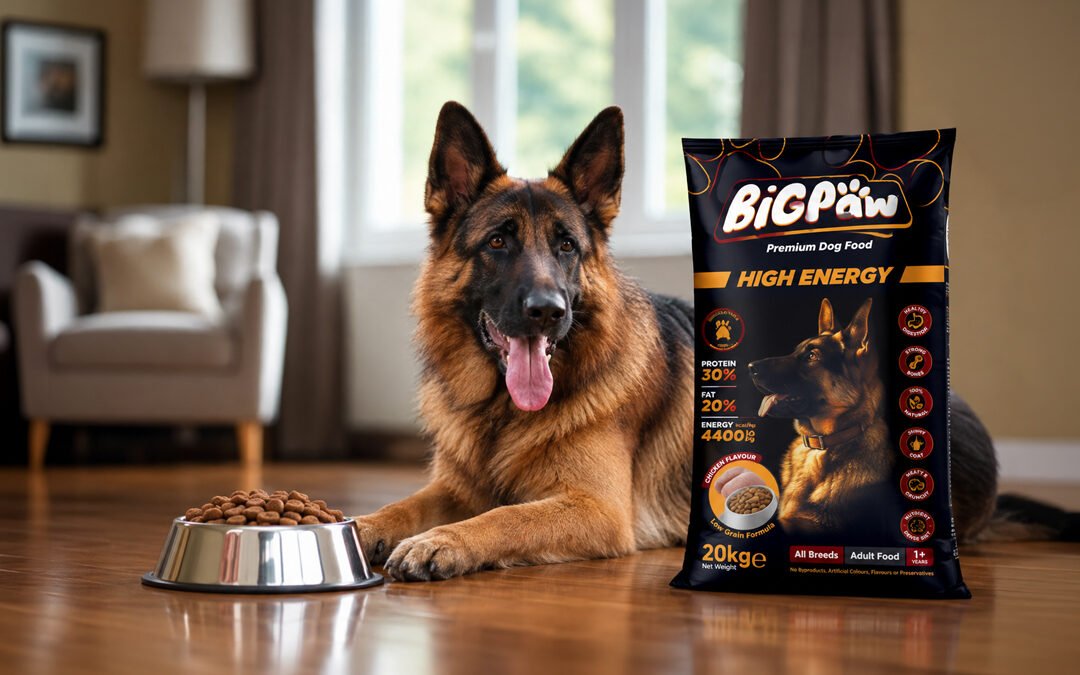
Looking for recommended food for your pet? Big Paw offers dog food options designed to meet the everyday nutritional needs of dogs at different life stages. Choosing suitable food according to your dog’s age, activity level, and nutritional requirements can help support overall health and well-being.
Whether you have a growing puppy or an active adult dog, selecting the right diet is an important part of responsible pet care. Explore recommended food options at Big Paw to find a suitable choice for your furry companion.
Remember that balanced nutrition, regular exercise, grooming, and routine veterinary checkups all contribute to a healthy lifestyle.