
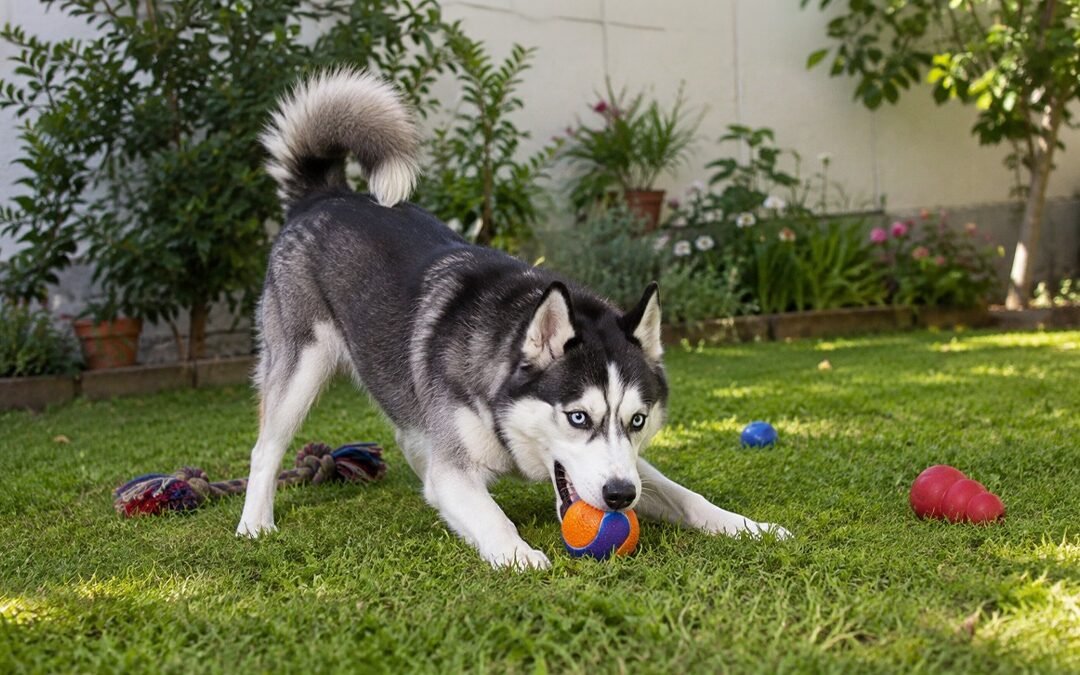
Siberian Huskies are active, energetic, and beautiful dogs. They are known for their playful nature, strong bodies, and high energy levels. Because of their active lifestyle, they need proper nutrition every day. Choosing the right Siberian Husky dog food can help support healthy growth, strong muscles, good digestion, and a healthy coat.
However, choosing dog food is not always easy. There are many brands, formulas, and ingredients available. Some foods are made for puppies, while others are designed for adult or senior dogs. Your Husky’s age, size, activity level, and health needs should all be considered before choosing a food.
In this guide, we will discuss how to choose the right food for your Siberian Husky and what nutrients your dog needs for a healthy and active life.
Why Nutrition Is Important for Siberian Husky Dog Food
Siberian Huskies are naturally active dogs. They enjoy running, playing, walking, and exploring. Their bodies need enough nutrients to support this lifestyle.
A healthy and balanced diet can give your Husky the energy needed for an active day. Good nutrition also helps support strong muscles and bones, healthy skin, a shiny coat, and proper digestion.
On the other hand, poor-quality nutrition may cause issues such as low energy, digestive problems, an unhealthy coat, or weight concerns. For this reason, choosing the right Siberian Husky dog food is an important part of caring for your pet.
A good diet should contain a balanced combination of protein, healthy fats, carbohydrates, vitamins, and essential minerals to support your Husky’s overall health and well-being.
Choose Food According to Your Husky’s Age
One of the first things to consider is your dog’s age. Puppies and adult Huskies have different nutritional needs.
Puppy Food
Siberian Husky puppies grow rapidly and require nutrients that support strong bones, muscles, and overall development. opt for a puppy formula with balanced levels of protein, fat, vitamins, and minerals. It’s essential for puppy food to supply enough calories for growth without leading to unhealthy weight gain. If you have a young Husky, opt for food specifically formulated for puppies instead of adult dog food. Adult Dog Food Adult Huskies need a diet that maintains their muscle strength, energy levels, and healthy body weight. More active Huskies may require extra calories compared to less active ones. Select a well-rounded adult formula that aligns with your dog’s activity level. For Huskies with high activity levels, their food should provide sufficient energy to support their daily routines.
Senior Husky Food
As Huskies get older, their activity levels may decrease. Senior dogs can have different nutritional needs compared with younger dogs.
A senior formula may contain nutrients that support healthy joints and muscles while helping maintain a healthy weight. Always consider your dog’s individual needs when changing food.
Look for High-Quality Protein
Protein is an important part of a Husky’s diet. It helps maintain muscles and supports normal body functions.
When selecting Siberian Husky dog food, check the ingredient list and look for quality sources of animal protein. Chicken, beef, fish, turkey, and other suitable meat sources can provide valuable protein.
The exact amount of protein your dog needs can vary based on age, activity, and health. A highly active Husky may have different needs from a less active dog.
Remember that more protein is not automatically better. The goal is to provide a balanced diet that meets your dog’s nutritional requirements.
Healthy Fats Provide Energy
Fats are another important source of energy for active dogs. They can also help support healthy skin and a shiny coat.
Ingredients containing healthy fats, including appropriate sources of fish oil, can be useful in a balanced diet. Omega-3 and omega-6 fatty acids are commonly included in quality dog foods.
These fatty acids can support skin and coat health. They also form an important part of a balanced canine diet.
When choosing food, look for a reasonable amount of healthy fat rather than choosing a product simply because it has the highest fat content.
Carbohydrates Can Provide Energy
Carbohydrates can also provide energy for dogs. Suitable carbohydrate sources may include rice, oats, barley, potatoes, or other ingredients depending on the formula.
Some people believe that dogs should never eat carbohydrates. However, dogs can digest and use many properly prepared carbohydrate sources.
The important thing is to choose a complete and balanced food rather than focusing on one ingredient alone.
Check the Ingredient List
Reading the ingredient list is one of the easiest ways to understand what you are feeding your Husky.
Ingredients are generally listed by weight. Look for recognizable ingredients and a formula that provides the nutrients your dog needs.
You do not need to choose food based on complicated ingredient claims. Instead, focus on the overall nutritional profile and whether the food is appropriate for your dog’s age and lifestyle.
A good Siberian Husky dog food should be formulated to provide complete nutrition rather than simply containing one or two popular ingredients.
Consider Your Husky’s Activity Level
Every Siberian Husky has different energy needs. Some Huskies enjoy long walks, running, playing, and other outdoor activities. Others may have a more relaxed lifestyle.
An active Husky may require more calories to maintain a healthy weight, while a less active dog may need fewer calories.
Pay attention to your dog’s body condition, weight, and energy levels. If you notice significant weight gain or weight loss, it may be time to review their diet and feeding portions. If you are unsure about your dog’s nutritional needs, speaking with a veterinarian can help you make the right decision
Choose Food That Supports Healthy Digestion
Good digestion is important for your Husky’s overall health. If your dog has a sensitive stomach, choosing a suitable and easily digestible food becomes even more important.
Some dog food formulas contain suitable sources of fiber that can help support normal digestion. However, every dog is different, so it is important to observe how your Husky responds to a particular food.
When introducing new dog food, avoid making a sudden change. A quick change in diet can sometimes cause digestive issues, including loose stools or an upset stomach.
Slowly increase the amount of new food over several days to help your Husky adjust.
Pay Attention to Your Husky’s Weight
Maintaining a healthy weight is important for an active dog like a Siberian Husky.
Being overweight can put extra stress on the body and may make exercise more difficult. Being underweight can also be a sign that your dog is not receiving enough food or may have an underlying health problem.
Do not rely only on the amount printed on the food package. Feeding recommendations are general guidelines. Your dog’s actual needs can vary depending on age, activity, size, and health.
Regularly check your dog’s body condition and speak with a veterinarian if you are concerned about weight.
Dry Food, Wet Food, or Both?
Dog food is available in different forms. Dry food is popular because it is convenient, easy to store, and simple to measure.
Wet food contains more moisture and can be appealing to some dogs. Some owners also combine dry and wet food.
There is no single option that is perfect for every Husky. The important thing is that the food provides complete and balanced nutrition and works well for your individual dog.
If you combine different foods, remember to consider the total daily calories so your dog does not receive too much food.
How Much Should You Feed a Siberian Husky?
The right portion depends on several factors. These include your Husky’s age, weight, activity level, and the calorie content of the food.
Start with the feeding instructions on the package. Then adjust the amount based on your dog’s body condition and activity.
Puppies usually need more frequent meals than adult dogs. Adult Huskies may do well with one or two meals per day, depending on their routine and individual needs.
Always provide fresh, clean drinking water throughout the day.
Avoid Giving Too Many Treats
Treats can be helpful during training and are a great way to reward good behaviour. However, they should only make up a small part of your Husky’s overall diet.
If you want healthy dog then choose best food for your huskie’s dog. Giving too many treats can add unnecessary calories and may contribute to unhealthy weight gain over time. Big paw provides you suitable healthy food packs as per your budget.
Choose suitable treats and offer them in small portions. You also need to adjust your dog’s regular food portions to avoid overfeeding because health is very important for each.
What About Homemade Food?
Some dog owners prefer preparing food at home. Homemade diets can work in some situations, but creating a nutritionally complete diet is more complicated than simply combining meat, rice, and vegetables.
A homemade diet may lack important vitamins or minerals if it is not properly formulated.
If you want to feed your Husky a homemade diet regularly, it is better to discuss the plan with a veterinarian or qualified veterinary nutrition professional.
When Should You Change Your Siberian Husky Dog Food?
There are several reasons you may need to change your dog’s food. Your Husky may move from puppy food to adult food, become a senior, develop a food sensitivity, or have a change in activity level.
Do not change food suddenly unless a veterinarian tells you to do so.
A gradual transition is usually easier on your dog’s stomach. Mix increasing amounts of the new food with decreasing amounts of the old food over several days.
If your dog develops ongoing vomiting, diarrhea, severe itching, or other concerning symptoms, contact a veterinarian.
Big Paw Dog Food for Siberian Husky Owners in Pakistan
Choosing the right Siberian Husky Dog Food is an important part of keeping your dog healthy and active. For Husky owners in Pakistan, it is also important to find a dog food that provides balanced nutrition and suits their dog’s individual needs.
Big Paw offers dog food options designed to provide balanced nutrition for dogs at different life stages and activity levels.
When choosing a suitable Big Paw formula for your Husky, consider important factors such as your dog’s age, size, activity level, and daily nutritional requirements. Always review the product information and feeding guidelines before making a decision.
Every Husky is different, so it is important to monitor how your dog responds to their food. If your Husky has specific dietary needs or a health concern, speak with a veterinarian before making significant changes to their diet.
Common Mistakes to Avoid
Choosing dog food becomes easier when you know what mistakes to avoid.
Feeding the Same Food at Every Life Stage
Puppies, adults, and senior dogs have different nutritional needs. Choose food that matches your dog’s current life stage.
Overfeeding
More food does not always mean better nutrition. Too many calories can lead to unhealthy weight gain.
Changing Food Too Quickly
Sudden changes can upset your Husky’s digestive system. Make changes gradually.
Ignoring Water
Fresh water is just as important as food. Make sure your Husky always has access to clean drinking water.
Choosing Food Only Because of Price
Price can be an important factor, but nutrition should also be considered. Look at the ingredients, nutritional information, feeding guidelines, and suitability for your dog’s needs.
Choosing the right Siberian Husky dog food does not have to be difficult. Start by considering your dog’s age, activity level, weight, and individual needs. Look for a complete and balanced formula with quality protein, healthy fats, appropriate carbohydrates, vitamins, and minerals.
Every Siberian Husky has different needs, so the food that suits one dog may not be the best choice for another. When you change your Husky’s food, keep an eye on its energy, weight, digestion, skin, and coat to see how it responds.
A balanced diet, daily exercise, clean drinking water, and regular vet visits can help your Siberian Husky stay healthy, active, and happy for years.