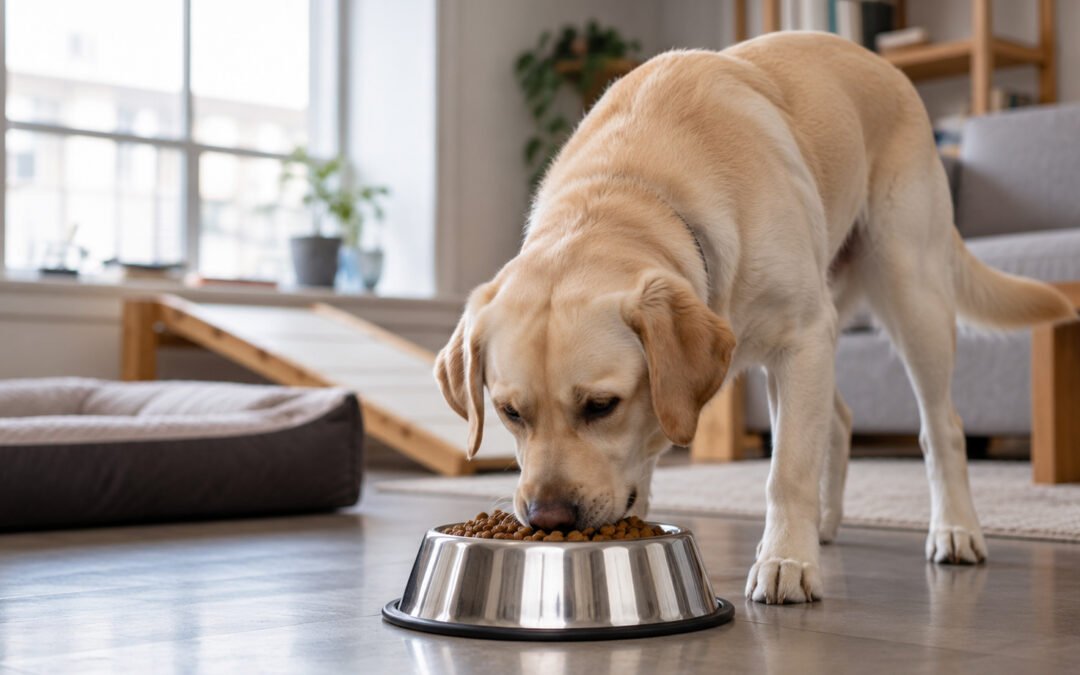
Labradors are an active breed, playful and friendly, but I think every Labrador owner can agree that they could eat a horse. Well, it is mainly genetic, their diet is also affected by the level of their activeness. It also varies according to their age. Choosing the right Labrador dog food can be challenging because Labradors love to eat and often have a big appetite. This makes portion control especially important, as excess weight can put extra pressure on their joints and increase the risk of joint problems, including arthritis.
Labrador Dog Food for Different Ages:
You don’t need to give a large food portion to your dog just because it is a large breed of dog. Their food actually is quite similar to German shepherd dog food or any other large breed dog food for that matter. You don’t need to stress a lot about your diet, as this blog is all you need to guide you about your dog’s diet. Owners should monitor their dog’s weight, body condition, and daily food intake to help maintain a healthy body and support better joint health.
3 to 15 Months:
Well, once your puppy starts to grow up, he gets more and more active and its body is growing rapidly, so your dog needs 3 to 4 meals per day. But you need to manage the portions that you are giving your dog and make sure not to overfeed him. Good large breed puppy food is almost impossible to find. You need a good blend of protein, carbs, fatty acids, glucosamine and chondroitin for them to grow healthy. Their bones should develop strongly from day 1, so they don’t face any issues later in their lives. Give your dog about 180 to 340g daily.
One to Three Years:
Your Lab is entering Adulthood and he is even getting mischievous. Its growth is slowing, but its energy is high. You need to feed it less now. Two balanced meals per day is the way to go. It needs a good protein source such as chicken or beef. Choose a brand that specifically mentions the meat source and its percentage. Give your dog 300 to 400g daily.
Four to Seven Years:
Your dog is now not as active as it used to be but he needs it. Labrador this age tend to gain weight much quicker and are prone to getting overweight. So you need to give a measured amount to your dog, portion control can help you a lot. You really need to watch its calories so it does not gain unnecessary weight. Make sure to give it high quality lean protein.
Eight and Above:
They have limited activity, and they face many health issues because of their growing age. Labradors are prone to many joint-related diseases such as arthritis, so you really need to make sure that they are lean and healthy. Dividing their meals into smaller portions is a good idea since they don’t need as many calories due to their limited activity.
At the end of the day, every dog is different. Their diet should reflect their lifestyle and should really depend upon how playful they are and how you are training them.
Treats:
This was all about the diet and what they should eat as meals. Now what’s left is treats. Every dog owner has a different take when it comes to treats. Some think of it as unhealthy for them, some think it is okay to give them treats occasionally and some, on the other hand, shower them with loads and loads of treats.
We at Big Paw Dog Food, have a mixed opinion on this matter. What you should focus on is whether the treat itself is good for them or not. If it is on the healthier side, it’s completely okay to treat them with their favorites. But if the treat itself is not dog friendly, then you should keep it away from your puppy friend.
Some healthy treats include carrots, apple slices, blueberries, pumpkin purée and cucumbers. Make sure to give it in a moderate quantity. The healthy amount would be less than 10 % of your dog’s daily calories.
Treats to avoid at all cost:
Although Labradors have a big appetite for almost everything, you should keep some kitchen items away from them hidden in a locked closet because they are poisonous to them. A lot of what we eat has actually proven to be toxic to dogs. These foods include our very favorite chocolates, grapes, raisins. Spices like onion and garlic are also toxic to them. Plant-based sweeteners such as xylitol sweetener are also toxic to them. There are certain nuts that you should look out for, such as macadamia nuts. Bones can also cause splinters and hurt your dog, so look out for that too. If your dog accidently swallows something from this list, you should visit the vet immediately and treat this as an emergency.